What to Know About Certified Crates for International Shipping
Global supply chains rely on secure packaging to move products across borders with precision and care. Companies sending goods overseas face strict rules regarding wood packaging materials and pest control measures. Navigating these comprehensive requirements prevents delays at customs and protects fragile items from damage during transit. The foundation of a successful export strategy begins with sourcing certified crates. These specialized containers meet rigorous international standards for pest control and structural integrity, ensuring smooth movement through global ports.
Understanding the Regulations for Global Trade
International laws dictate how wooden containers must be treated before crossing sovereign borders. The International Standards for Phytosanitary Measures outline these specific pest eradication treatments. Authorities implemented this rigid standard to stop the spread of wood-borne pests between continents and preserve native ecosystems. When companies utilize certified crates, they adhere to these strict environmental protections. Customs officials look for the standard mark confirming proper treatment before allowing cargo to proceed inland.
The sheer volume of global commerce makes standardized packaging vital for environmental safety and trade efficiency. According to the International Chamber of Shipping, around 11 billion tons of goods are transported by ship annually. This immense movement of cargo presents a massive risk for pest transmission across vast oceans. Standardized treatment protocols mitigate this biological risk and protect native forests from invasive insects. Consistent enforcement at ports keeps the global supply chain moving without biological interruptions.
Heat treatment and fumigation serve as the main acceptable methods for comprehensive wood sterilization. Heat treatment involves raising the core temperature of the wood to a specific degree for a set duration, eradicating hidden pests. Fumigation uses chemical gases in a controlled environment to achieve the same pest-free result. Facilities performing these treatments undergo routine audits to maintain operational credentials. Compliance agencies monitor these facilities to ensure strict adherence to the international guidelines.
A legible stamp on the wood provides permanent proof of compliance for customs officials. This specific mark includes a designated country code, a unique facility identifier, and the exact treatment method used. Border agents inspect these stamps upon arrival at receiving ports worldwide. Missing or illegible marks result in immediate quarantine or destruction of the packaging and the enclosed products. A clear stamp serves as a passport for the wooden packaging materials.
Selecting the Materials for Safe Transport
Beyond pest control, the physical construction of shipping containers demands careful engineering and material consideration. Manufacturers design packaging to withstand the harsh conditions of extended ocean voyages and turbulent air freight. Rough handling, severe temperature fluctuations, and continuous moisture exposure challenge the integrity of standard wooden boxes. Quality construction materials prevent structural collapse under heavy loads in stacked cargo holds. Superior materials ensure the contents remain protected from the chaotic environment of global transit.
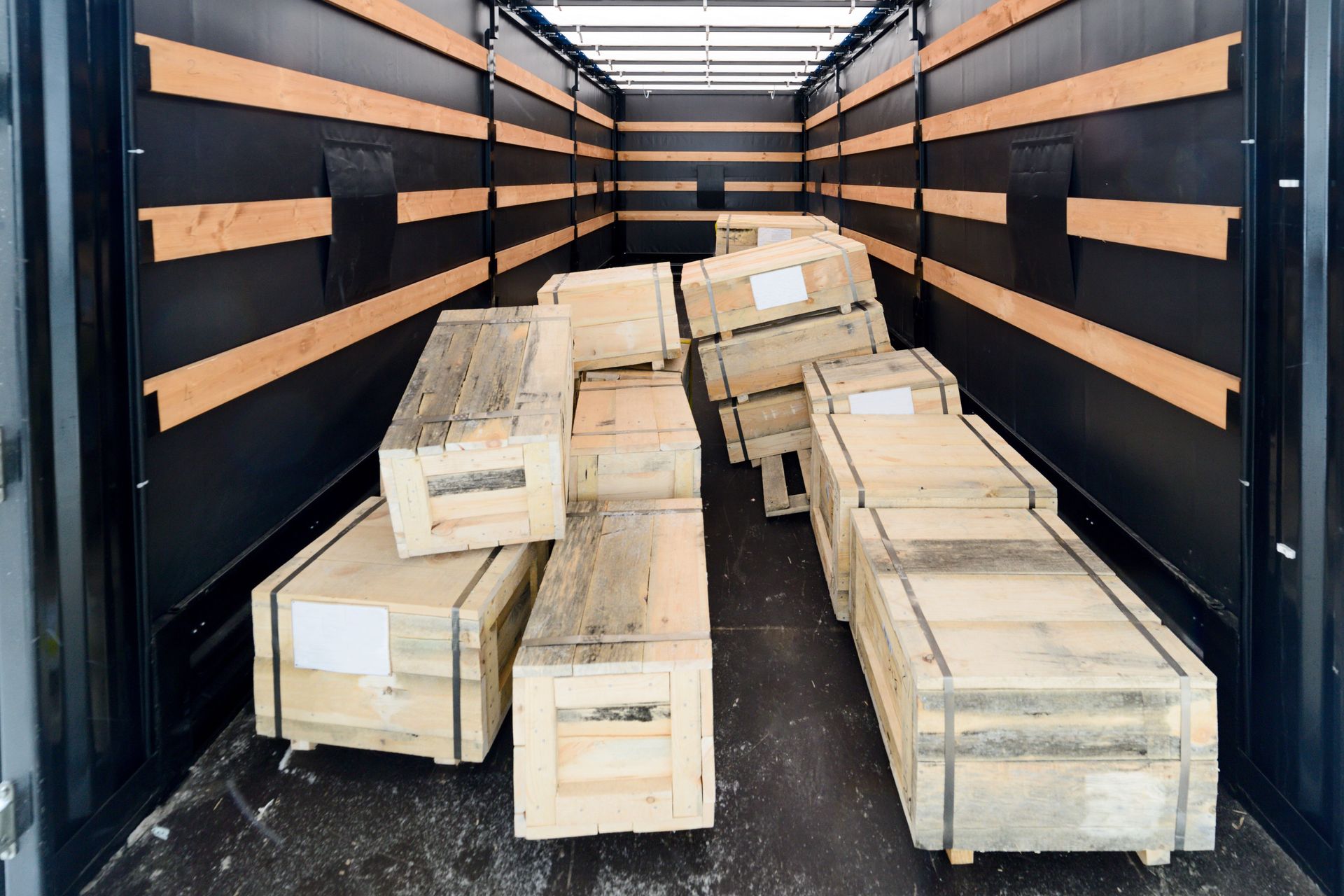
Plywood and oriented strand board offer popular alternatives to solid raw wood packaging. These engineered woods undergo manufacturing processes involving high heat and binding glue, eliminating pest risks by design. However, heavy industrial equipment often requires the unmatched strength and durability of solid timber. In these specific scenarios, utilizing certified crates made from treated lumber remains the sole viable logistical option. Solid wood provides the rigid support necessary to move massive industrial machinery.
The type of fastener used impacts the overall strength and longevity of the shipping container. Screws provide better retention and grip than basic nails when boxes face continuous vibrations during long rail journeys. Reinforced steel corners add additional structural support for massive and dense cargo loads. Packaging engineers assess the product weight and physical dimensions to determine the ideal material thickness and fastening method. Precise engineering prevents the box from breaking apart during loading procedures.
Moisture control within the container is another crucial element of comprehensive material selection. Heavy condensation builds up inside steel shipping containers during long ocean transits through varying climates. Desiccants and barrier bags placed inside the wooden packaging protect sensitive metal parts from destructive rust. Pairing internal moisture barriers with treated exterior wood creates a robust defense system against severe environmental damage. This dual approach keeps sensitive electronics and metal components dry and functional.
Preventing the Risks of Border Rejections
Shipments halted at customs create severe financial burdens and logistical nightmares for manufacturers and buyers. Port storage fees accumulate at an alarming pace while companies attempt to resolve complex compliance issues. A rejected shipment requires complete repackaging or a forced return to the country of origin. Investing upfront in certified crates eliminates the constant threat of border rejections tied to basic phytosanitary violations. Smart packaging choices prevent these expensive and time-consuming border delays.
Export documentation must match the physical stamps burned into the wooden packaging. Customs brokers review bills of lading and commercial invoices to confirm broad compliance with trade laws. Discrepancies between shipping paperwork and physical cargo stamps trigger intensive and prolonged warehouse inspections. Clear communication between the packaging supplier and the shipping department ensures all records align with the outbound freight. Accurate paperwork accelerates the customs clearance process and gets products to market faster.
Shippers face different enforcement levels depending on the specific destination country and current trade policies. Some nations conduct random inspections, while others mandate detailed and thorough reviews of incoming cargo vessels. North American and European ports maintain strict enforcement protocols for incoming wood packaging. Exporters must treat every single shipment as if it will face the most rigorous inspection possible. This conservative approach guarantees seamless entry into any foreign port facility.
Unexpected customs rejections compromise client relationships and damage a hard-earned brand reputation. International buyers expect costly orders to arrive on schedule and ready for immediate use. Delayed deliveries halt manufacturing production lines and cause severe retail inventory shortages. Proactive compliance strategies protect the entire supply chain and ensure end-users receive merchandise without bureaucratic interference. Consistent delivery builds long-term partnerships between global manufacturers and foreign retail distributors.
Maintaining Compliance for Future Shipments
Long-term success in global logistics requires ongoing staff education and routine supplier auditing. Trade regulations evolve as new environmental threats emerge in different agricultural regions. Shipping managers must monitor critical updates to international trade laws to avoid surprise non-compliance penalties. Routine meetings with packaging providers keep corporate logistics teams informed about shifting industry standards. Staying current on global packaging trends helps companies adapt export strategies before new rules take full effect.
Establishing a standardized procurement process for packaging materials prevents basic operational errors. Corporate purchasing departments should source wooden containers from vetted and verified treatment facilities. Keeping a consistent inventory of certified crates on hand reduces production delays during unexpected export orders. Standard operating procedures dictate that warehouse workers verify the treatment stamps before loading products. This internal verification process catches vendor mistakes before the shipment ever leaves the manufacturing facility.
Detailed record-keeping plays a vital role in sustained corporate shipping compliance. Companies should retain certificates of treatment and detailed purchase orders for several calendar years. In the event of a legal dispute or a delayed port inspection, historical documentation provides irrefutable proof of due diligence. Organized digital filing systems allow logistics personnel to retrieve these essential records on demand. Quick access to treatment certificates satisfies customs auditors and resolves documentation disputes.
Comprehensive training for warehouse staff rounds out a robust shipping compliance program. Employees responsible for packing outbound goods must recognize the visual difference between treated and untreated lumber. Detailed visual inspection protocols catch potential issues before the cargo leaves the main loading dock. Empowered workers serve as the final internal line of defense against costly shipping errors. Investing in employee education yields significant returns by eliminating preventable delays at international borders.
Efficient global trade depends upon standardized operational protocols and reliable packaging solutions. Companies navigating international waters must prioritize rigid adherence to wood treatment regulations. Securing high-quality certified crates safeguards valuable corporate cargo from physical damage and bureaucratic delays. Diligence in initial packaging selection streamlines the entire customs clearance process and protects international ecosystems from invasive biological threats. Shippers who respect these environmental standards enjoy smoother logistics operations and fewer unexpected transit costs. At The IPI Group, LLC, we build certified crates designed to keep your global shipments fully compliant and secure. Reach out to our team today to discuss how we can streamline your next export project.



Share On: