What Are Certified Crates?
Certified crates play an increasingly important role in modern packaging and logistics, offering businesses a dependable way to protect goods, meet regulations, and demonstrate professionalism. As industries grow more complex and global supply chains expand, certified crates help ensure products arrive safely and consistently. They go far beyond basic packaging by incorporating tested materials, standardized construction, and documented compliance. For companies focused on quality, reliability, and long-term success, certified crates have become an essential part of responsible operations.
Understanding Certified Crates And Their Purpose
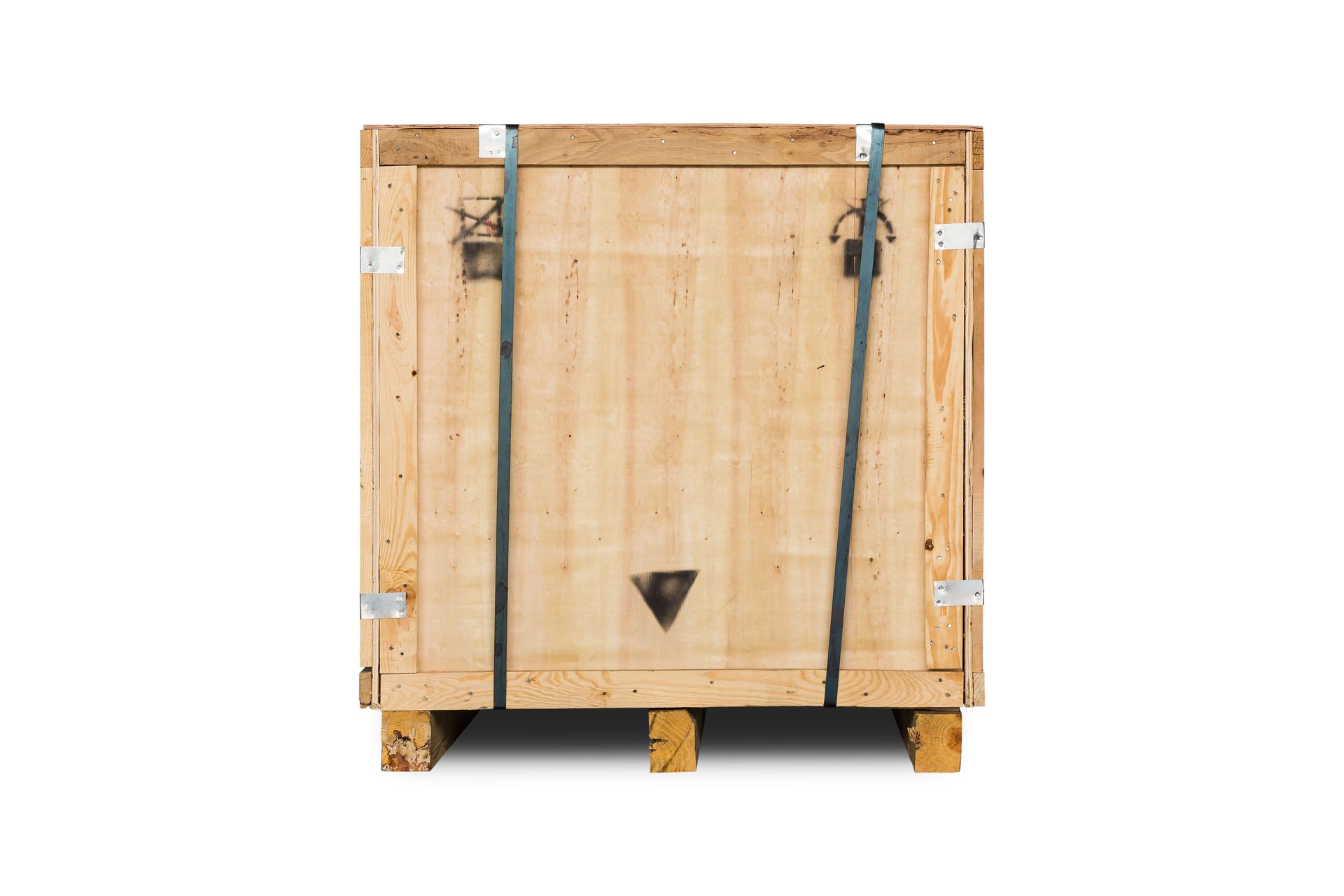
Certified crates are specialized packaging solutions that meet established standards for strength, safety, and performance. These certifications verify that the crates have been evaluated against specific criteria designed to reduce damage during handling and transport. Unlike generic crates, certified crates undergo testing that confirms their ability to protect valuable or sensitive items. This assurance is especially important for industries shipping heavy, fragile, or high-value products.
The purpose of certified crates is to create consistency and accountability across the supply chain. When businesses use certified crates, they are signaling a commitment to quality and compliance. This approach reduces uncertainty for manufacturers, logistics teams, and end customers alike. Certified crates also help streamline operations by minimizing unexpected losses and delays.
Industries That Rely On Specialized Packaging
Many industries depend on advanced packaging solutions to safeguard their products during storage and transit. Manufacturing, aerospace, medical equipment, and technology sectors often transport items that are sensitive to vibration, moisture, or impact. Using purpose-built crates helps ensure these goods arrive in usable condition.
In regulated industries, proper packaging also supports compliance with safety and handling requirements. Businesses that invest in high-quality crate solutions are better equipped to meet client expectations while reducing the risk of costly damage or delays.
The Evolution Of Crate Certification Standards
The concept of certified crates has evolved alongside industrial growth and global trade. Early crates were simple wooden containers, but as shipping distances increased and products became more specialized, the need for standardized packaging became clear. Certification standards emerged to ensure crates could withstand modern transportation demands. Over time, these standards have adapted to include safety, performance, and sustainability considerations.
Today, certified crates reflect decades of refinement and testing. They are designed to perform reliably under diverse conditions, including long-distance shipping and repeated handling. This evolution highlights why certified crates are now viewed as a strategic asset rather than a basic expense.
Customization And Engineering Considerations
One of the strengths of professional crate solutions is the ability to customize designs based on product requirements. Size, weight distribution, and environmental exposure all influence how a crate is engineered. Proper customization ensures that contents remain stable and protected throughout the shipping process.
Engineering considerations also include ease of handling and storage. Well-designed crates support efficient loading, unloading, and stacking, which helps improve overall logistics efficiency for businesses.
Materials And Sustainability In Certified Crates
Modern certified crates are built with materials chosen for durability and environmental responsibility. While wood remains common, many certified crates incorporate recyclable components or responsibly sourced materials. This approach supports sustainability goals without compromising performance. Businesses benefit from packaging that aligns with both regulatory expectations and consumer values.
Sustainability is now an integral part of certification criteria. Certified crates are evaluated not only for strength but also for their environmental footprint. This balance allows companies to protect products while supporting long-term environmental stewardship.
The Certification Process And Quality Assurance
The certification process for crates involves structured testing and third-party review. Crates are evaluated for load capacity, impact resistance, and overall construction quality. Only after meeting defined benchmarks are they approved as certified crates. This process ensures consistency and reliability across every unit produced.
Quality assurance does not end once certification is achieved. Certified crates are subject to ongoing review and renewal requirements. This continuous oversight helps maintain trust and ensures certified crates remain aligned with evolving standards.
Safety And Performance Benefits Of Certified Crates
One of the most significant advantages of certified crates is enhanced safety. Tested construction reduces the risk of product damage and workplace accidents. This level of reliability is especially valuable in industries where failures can be costly. Certified crates help protect employees, customers, and assets.
Performance is another key benefit. Certified crates are designed to perform consistently under real-world conditions. This reliability allows businesses to plan logistics with greater confidence and fewer disruptions.
Cost Efficiency And Risk Reduction
Although professional crate solutions may represent a higher upfront investment, they often reduce long-term costs. Preventing product damage lowers replacement expenses and minimizes insurance claims. Reliable packaging also reduces downtime caused by shipping failures.
By lowering overall risk, businesses can achieve more predictable operations. This stability is particularly valuable for companies managing high-volume or time-sensitive shipments.
Market Growth And Industry Demand
The growing reliance on certified crates reflects broader trends in the packaging industry. According to Globe Newswire, the global packaging services market is expected to grow to over $100 billion over the next 6 years. This projected expansion highlights the increasing demand for professional, standardized packaging solutions.
As the market grows, certified crates are positioned as a preferred option for businesses seeking scalability and compliance. Their role will continue to expand as quality and accountability become more important across industries.
Building Trust And Competitive Advantage
Certified crates contribute directly to customer trust and brand reputation. Certification acts as visible proof that a company prioritizes quality and care. Customers and partners are more likely to work with businesses that demonstrate these values through certified crates. This trust can translate into repeat business and stronger relationships.
From a competitive standpoint, certified crates help differentiate companies in crowded markets. They support operational efficiency while reinforcing a professional image. Businesses that invest in certified crates often find themselves better prepared for growth and regulatory changes.
As supply chains become more interconnected and customer expectations continue to rise, the role of certified crates grows even more significant. These packaging solutions help bridge the gap between operational efficiency and product protection, ensuring consistency across shipments regardless of distance or complexity. Certified crates also support smoother collaboration between manufacturers, logistics providers, and end users by establishing shared standards everyone can rely on. This level of uniformity reduces friction throughout the shipping process and allows businesses to scale with confidence. Investing in certified crates is not just about meeting today's needs, but about building resilient systems prepared for future growth.
Certified crates also contribute to stronger internal processes by reinforcing a culture of quality and accountability. When businesses commit to certified packaging, they are often prompted to evaluate handling procedures, documentation practices, and risk management strategies more closely. This holistic improvement can positively impact multiple areas of operations, from inventory control to customer satisfaction. Over time, the consistent use of certified crates helps companies reduce losses, improve efficiency, and strengthen their professional reputation. These benefits extend beyond packaging alone, supporting long-term stability and trust in competitive markets.
By choosing certified crates, companies can enhance safety, sustainability, and credibility while positioning themselves for long-term success in a growing market. These solutions help streamline logistics, reduce damage risks, and demonstrate a commitment to recognized industry standards that customers and partners value. Businesses seeking reliable, high-quality crate solutions and expert support are encouraged to work with The IPI Group, LLC today.

Share On: