The Importance of Using Export Certified Crates
In the complex world of international shipping and logistics, ensuring the safe and efficient transport of goods is paramount. Export certified crates play a crucial role in this process, providing a standardized solution for packaging that meets international regulations. According to Globe Newswire, by 2033, the global packaging services market size is predicted to increase from $48.37 billion in 2023 to approximately $116.25 billion. These crates not only protect the integrity of the products being shipped but also facilitate smoother trade operations across borders. By adhering to stringent certification standards, companies can avoid potential pitfalls associated with non-compliance and enhance their brand reputation in the global market. As international trade continues to expand, the importance of using export certified crates becomes increasingly evident.
Export Certification
Definition and Purpose
Export certification refers to the process of verifying that a product, in this case, a shipping crate, meets the necessary standards and regulations for international trade. The primary purpose of export certification is to ensure that goods can be transported safely and legally across international borders. This certification assures both exporters and importers that the crates used will not pose any risks to the goods or violate any international trade laws. It is a critical component in the supply chain, helping to prevent delays and ensure smooth operations. Without proper certification, companies risk facing legal penalties, shipment rejections, and potential damage to their goods.
International Standards and Regulations
International standards and regulations governing export certification are designed to ensure uniformity and safety in the shipping industry. Organizations like the International Standards Organization (ISO) and the International Plant Protection Convention (IPPC) set guidelines for the construction and treatment of shipping crates. For instance, wooden crates must carry the "Bug Stamp" to indicate they have been treated or fumigated to prevent the spread of pests and fungi, as required by most countries. These regulations are vital in maintaining the integrity of global ecosystems and preventing the introduction of invasive species. Adhering to these standards not only ensures compliance but also protects the environment and public health.
Key Certification Bodies
Several key organizations are responsible for the certification of export crates, ensuring they meet international standards. The International Plant Protection Convention (IPPC) is one such body, which oversees the treatment requirements for wooden packaging materials. Another important organization is the International Standards Organization (ISO), which provides comprehensive guidelines for various aspects of shipping crate construction. National bodies, such as the American Lumber Standard Committee (ALSC) in the United States, also play a role in ensuring compliance with international regulations. These organizations work together to facilitate global trade by providing a framework for certification that is recognized and respected worldwide.
Certification Process Overview
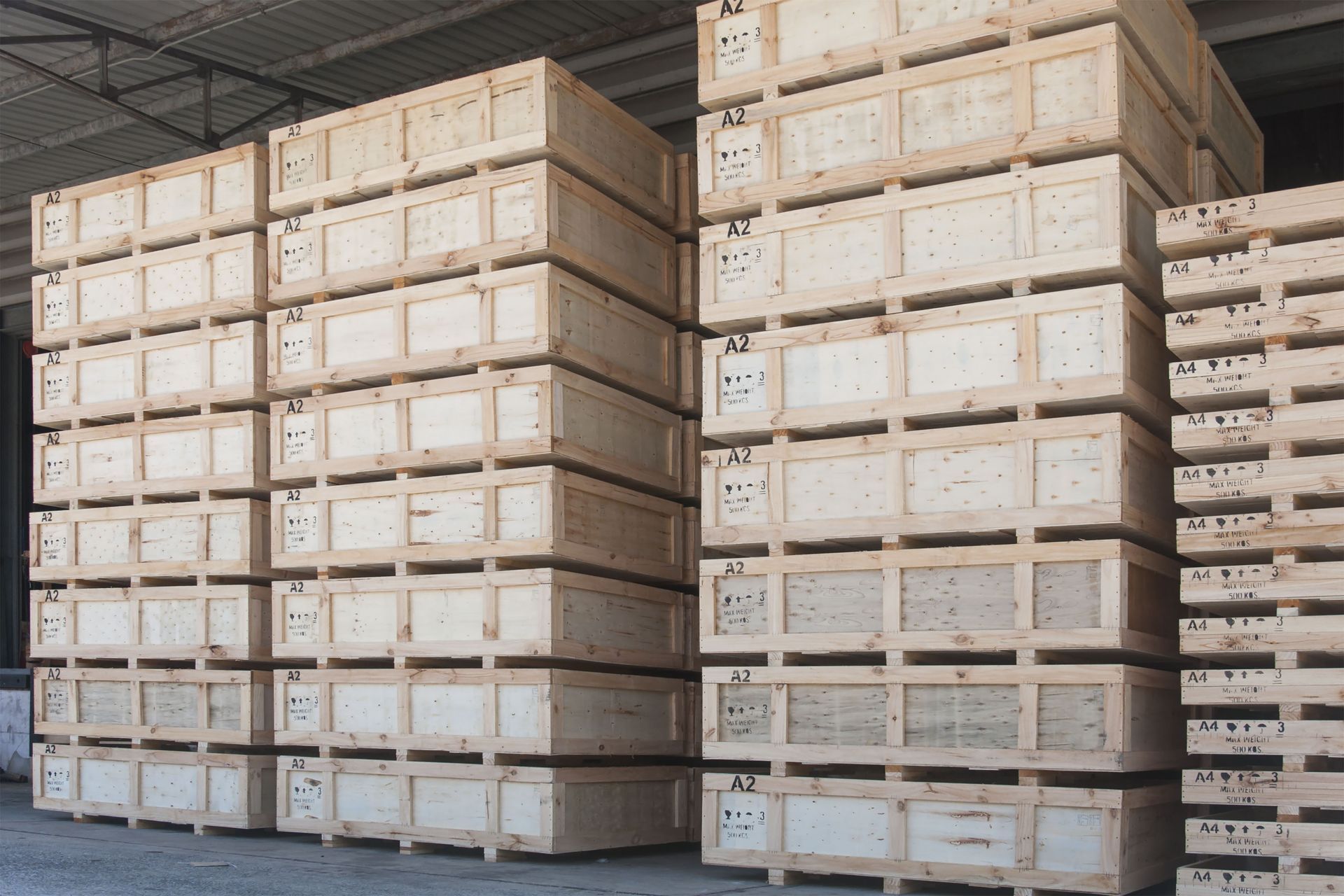
The certification process for export crates involves several key steps to ensure compliance with international standards. Initially, the materials used in crate construction are inspected to verify their suitability for export. This includes checking for treatments like fumigation or heat treatment, which are necessary to prevent pest infestation. Once the materials pass inspection, the crates are constructed and subjected to a series of tests to assess their durability and compliance with weight and size restrictions. Finally, the completed crates are stamped with a certification mark, such as the IPPC's "Bug Stamp," indicating they meet all requirements for international shipping.
Benefits of Export Certified Crates
Product Safety
Export certified crates play a vital role in ensuring the safety of products during international transport. By adhering to strict standards, these crates provide a robust protective barrier against physical damage, environmental exposure, and contamination. The certification process ensures that crates are constructed from materials that meet rigorous strength and durability requirements. This level of protection is especially important for fragile or valuable items that require an extra layer of security. Ultimately, using certified crates minimizes the risk of product damage, reducing the likelihood of financial loss and maintaining customer satisfaction.
Compliance With International Laws
Compliance with international laws is a major benefit of using these crates. These crates are designed and constructed according to regulations set by international bodies, ensuring that they meet all necessary legal requirements for cross-border transport. This compliance helps prevent potential legal issues, such as fines or shipment rejections, that can arise from using non-certified packaging. By using certified crates, companies can demonstrate their commitment to legal standards, which can enhance their credibility and reputation in the global market. Moreover, compliance with these laws ensures that companies can avoid delays and disruptions in their supply chain operations.
Enhanced Brand Reputation
Utilizing these crates can significantly enhance a company's brand reputation in the international market. By demonstrating a commitment to quality and compliance, companies can build trust with their customers and business partners. This trust is further reinforced by the visible certification marks, such as the IPPC's "Bug Stamp," which signals adherence to stringent international standards. Additionally, companies that prioritize certification are often seen as industry leaders, setting a standard for others to follow. As a result, businesses that invest in certified crates can enjoy a competitive advantage and strengthen their position in the global marketplace.
Streamlined Customs Clearance
These crates streamline the customs clearance process, reducing the likelihood of delays and associated costs. Certified crates are recognized by customs authorities worldwide, facilitating faster inspection and approval. This recognition helps prevent the rejection of shipments due to non-compliance with international regulations. By using certified crates, companies can avoid the additional scrutiny and potential penalties that come with uncertified packaging. Ultimately, streamlined customs clearance contributes to a more efficient and reliable supply chain, enhancing a company's ability to meet customer expectations and delivery timelines.
Impact on Global Trade
Smooth Trade Operations
Export certified crates play a crucial role in facilitating smooth trade operations across international borders. By adhering to standardized guidelines, these crates ensure that goods are packaged consistently, reducing the likelihood of delays and misunderstandings during transit. The presence of certification marks assures customs officials that the packaging meets international standards. This recognition helps expedite the customs clearance process, allowing for faster and more efficient trade operations. Ultimately, the use of certified crates enhances the overall reliability and predictability of global trade, benefiting both exporters and importers.
Importance of Free Trade Agreements
These crates are particularly important in the context of free trade agreements, which aim to facilitate seamless trade between participating countries. These agreements often include provisions for standardized packaging requirements, which certified crates fulfill. By using certified crates, companies can ensure compliance with these provisions, allowing them to take full advantage of the benefits offered by free trade agreements. This compliance helps prevent potential disputes and trade barriers that can arise from non-compliance with packaging standards.
Role in Supply Chain Efficiency
The use of these crates enhances supply chain efficiency by ensuring consistent and reliable packaging standards. Certified crates are designed to withstand the rigors of international shipping, reducing the likelihood of damage and delays. This reliability allows companies to optimize their supply chain operations, reducing costs and improving delivery timelines. Additionally, the use of standardized packaging simplifies logistics and inventory management, allowing for more efficient handling and storage of goods.
Adhering to international standards is vital for seamless global logistics. Utilizing export certified crates ensures rigorous compliance, protects product integrity, and prevents costly customs delays. By prioritizing these certified solutions, businesses mitigate legal risks and bolster their brand reputation, fostering efficient, reliable trade operations in an evolving marketplace. For more information, contact The IPI Group, LLC today.



Share On: